

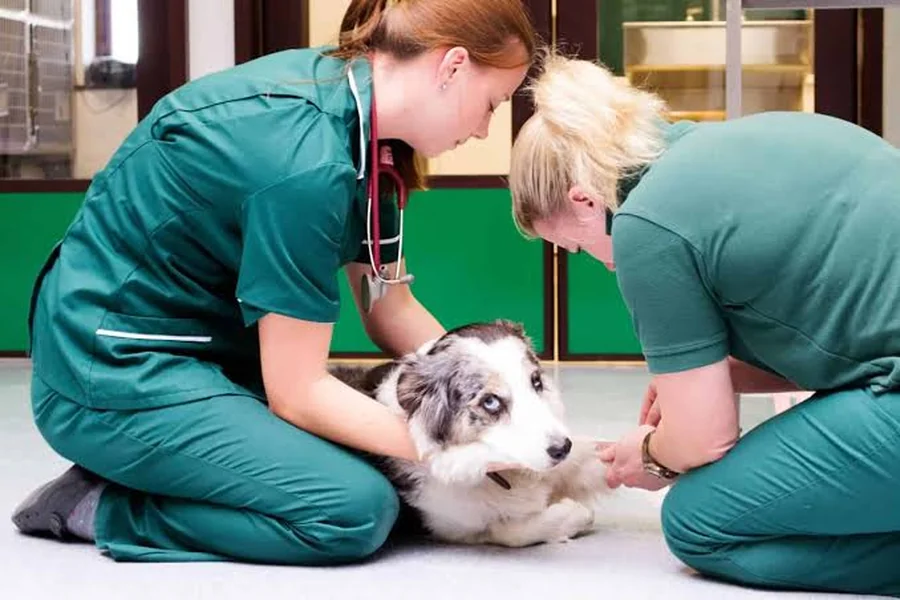

You know your pet better than anyone. You notice the slower rise from the bed, the pause before stairs, the changed mood, the way a once eager dog hangs back on walks or a cat stops jumping to a favorite spot. Pain in animals often arrives quietly, and that can leave you second guessing yourself. Are they just getting older, or is something hurting? An Oakville veterinarian can help assess these subtle changes and determine whether pain may be the cause.
This is where The Role Of Veterinary Hospitals In Pain Management becomes clear. A veterinary hospital does more than respond to emergencies or give vaccines. It helps identify pain early, measure how much it affects daily life, and build a treatment plan that fits your pet’s condition, age, and overall health. Good pain care protects comfort, movement, sleep, appetite, and the bond you share with your animal.
Veterinary hospitals treat pain as a medical issue, not just a symptom
Pain changes behavior, mobility, and body function. A pet in pain may eat less, avoid touch, become irritable, hide, limp, pant, or stop doing normal routines. Some signs are easy to miss because animals are good at masking discomfort. That is one reason veterinary hospitals matter so much. They are set up to look beyond the obvious and connect behavior changes with underlying disease, injury, surgery recovery, arthritis, dental problems, nerve issues, or cancer.
When pain is left untreated, it rarely stays contained. A sore joint can lead to muscle loss because your pet moves less. Dental pain can affect eating and cause weight loss. Chronic pain can change sleep and mood, and over time it may become harder to control. According to Texas A&M Veterinary Medicine, chronic pain in pets often needs ongoing management rather than a one time fix. That reality is hard to hear, but it also gives you a better path forward. If the goal is management, not magic, the focus shifts to comfort, function, and quality of life.
Pet pain management in a hospital setting is not one treatment. It is a process. Your veterinary team may use physical exams, imaging, lab work, gait assessment, and a detailed history from you. They may ask when your pet seems stiff, whether symptoms are worse after rest, or if behavior changes happen at certain times of day. Those details are not small. They shape the plan.
Veterinary pain treatment works best when it is tailored to the pet in front of you
Two pets can have the same diagnosis and need very different care. An older dog with arthritis and kidney disease cannot be treated the same way as a young dog recovering from orthopedic surgery. A cat with dental pain may show almost no outward signs until the pain is severe. A hospital can sort through those differences and choose safer options.
That often means combining treatments. Medication may be one part. Weight support, rehab exercises, laser therapy, joint support, environmental changes, and follow up checks may matter just as much. For surgical cases, anesthesiology also plays a direct role in pain control before, during, and after procedures. The Ohio State University Veterinary Medical Center explains how veterinary anesthesiology and perioperative pain management support safer, more effective comfort care around surgery.
This kind of planning reduces a common problem. Owners see a short burst of improvement, then symptoms return, and everyone feels discouraged. That does not always mean treatment failed. It may mean the plan needs adjustment. Pain shifts. Healing changes. Chronic conditions flare. A veterinary hospital has the staff and tools to reassess instead of guessing.
Home observation and hospital care each have a place in animal pain management
You are the one who sees the subtle changes at home. The hospital is the place that turns those clues into medical decisions. Both matter, but they are not interchangeable.
| What You Notice at Home | What a Veterinary Hospital Adds | Why It Matters |
|---|---|---|
| Less jumping, slower walks, hiding, changes in appetite | Physical exam, pain scoring, imaging, lab work | Helps identify the real source of pain instead of treating guesswork |
| Good days and bad days | Medication review and treatment adjustments | Prevents under treating or over treating pain |
| Reaction to touch or grooming | Assessment for orthopedic, dental, neurologic, or soft tissue causes | Pain can come from more than one condition at once |
| Concerns about drug side effects or cost | Safer dosing plans, monitoring, and alternative therapies | Supports long term care that is realistic for your household |
The financial side is real. Ongoing care can feel heavy, especially if your pet needs repeat visits or long term medication. Even then, hospital guided care often saves money compared with delayed treatment that leads to crises, falls, severe weight loss, or emergency complications. More than that, it spares your pet extra suffering.
Clear steps help you respond faster when your pet may be hurting
Track changes for one full week. Write down appetite, sleep, stairs, jumping, bathroom habits, play, and any signs of limping or stiffness. Video is even better. Pets often act differently in the exam room, and a short clip of normal life can help your veterinary team see what you see.
Ask for a pain focused evaluation. Do not settle for “maybe it is age” if your pet is struggling. Ask whether the issue could be arthritis, dental disease, nerve pain, post surgical pain, or another condition. A targeted exam opens the door to better veterinary pain management instead of vague reassurance.
Follow the full plan, not just the prescription. If your hospital recommends weight changes, rehab work, ramps, softer bedding, or recheck visits, those steps are part of treatment. Pain control is rarely just a pill. Small home changes often make a clear difference in comfort.
Steady pain care protects your pet’s quality of life
Pain changes how your pet moves through the day, and it changes how you feel when you watch them struggle. You do not need to wait for obvious distress before taking it seriously. A veterinary hospital can help you find the cause, choose the right treatment, and keep adjusting care as your pet’s needs change.
If you think your pet is hurting, schedule an evaluation with a veterinary hospital and ask for a plan focused on comfort, function, and quality of life. Early action can make daily life easier for both of you.
