

Introduction
The Score Of The Football Game Last Night can be a lot more than simply the figures on a scoreboard, it can be a story of planning, hard work, failure, and brilliance. As a fan or a casual watcher, knowing how the game had unfolded would make you enjoy the game at a higher level. Dramatic objectives to tactical modifications, all the details help to make the final outcome.
In this paper, we are going to deconstruct the elements that usually constitute a football result, the development of games during the 90-minute period, and the reason some outcomes are more important than others. Although you might be out of the match, this guide will enable you to picture what actually transpired and the reasons as to why the result was what it was.
What the Final Score Really Means to You
On the surface, a football score may be easily reduced to one team scored more goals than the other one. The truth of the matter is more complicated. A goal difference of 2-1 would be a closely contested match or a crushing match with a late consolation goal.
The last rating is efficiency rather than performance. A team may have control of the ball, make more opportunities and still lose due to failure to make use of the opportunities. Conversely, a more defensive team may end up winning by taking advantage of one or two crucial situations.
It is necessary to see the context of the numbers. The result can be affected by such factors as home advantage, injuries, referee decisions and even weather conditions. That is the reason why fans usually examine not only the outcome, but the playing of the game.
Critical Situes that defined the Matc
Each football match has turning points that determine the ultimate outcome. These can occur any time be it early goals, red cards, missed penalties, or last minute winners.
A premature ambition tends to predetermine the mood. It is able to compel the opposing team to shift strategy making them more aggressive and creating gaps in their defensive mechanism. Likewise, a red card may totally change the momentum, providing one side with a numerical advantage.
Late goals are dramatic particularly. What would have been a draw can turn into a victory of one team and become memorable moments of watching the match. These are the most important events that are usually remembered by the people who later on discuss the score.
Games and their effects on players
At the back of each individual scoreline are the individual performances that changed the difference. With a striker who has scored a brace or a goalkeeper who has made some key saves or a midfielder who has dictated the pace, all these input make the difference.
Football is a team game and star players usually receive attention. Sung heroes are not always the most important, sometimes it is the unsung heroes who have the most significant roles. When a defender gives a last-ditch tackle or a sub gives an assist, it can be as good as scoring a goal.
The fitness and form of the players are also important. Confidence and consistency in teams going into a match increases the chances of their performance. That is why the recent performances can be analyzed to provide a clue concerning the reasons of a team winning or losing.
Tactical Decisions and Game Strategy
Football is as much tactic as it is skills. Coaches take hours to work out strategies on how to counter their opponents. The shaping, pressing form and replacements all affect the end score.
As an example, a high-defensive team may be able to control the ball well but be vulnerable to counterattacks. In the meantime a defense formation can be very irritating to the opposing team and result in a close win.
Another essential factor is substitutions. The introduction of new players may alter the dynamics of the game, take advantage of fatigued defenders, or reinforce the midfield. There are so many games, which are won by clever tactical changes in the second half.
The Implication of the Result on the Teams
The effect of a football goal is more than the game itself. It may influence league positions, team spirit and performance in future.
Winning can help in increasing confidence, and momentum particularly in competitive leagues. Winning streak teams tend to work better due to the belief and unifying factor. Conversely, a loss may be revealing and strain players and coaches.
Draws are not always easy. At times they may feel that it is a just outcome but on other occasions both teams might believe that they have been denied a chance to get three points. The significance of the outcome usually varies according to the level of the season and the goals of the teams.
Reaction of Fans to the Score of Last Night
The role of fans in the culture of football is enormous, and the responses to a match result may be strong. Live discussions, fan forums and social media are activated as soon as the final whistle has been blown.
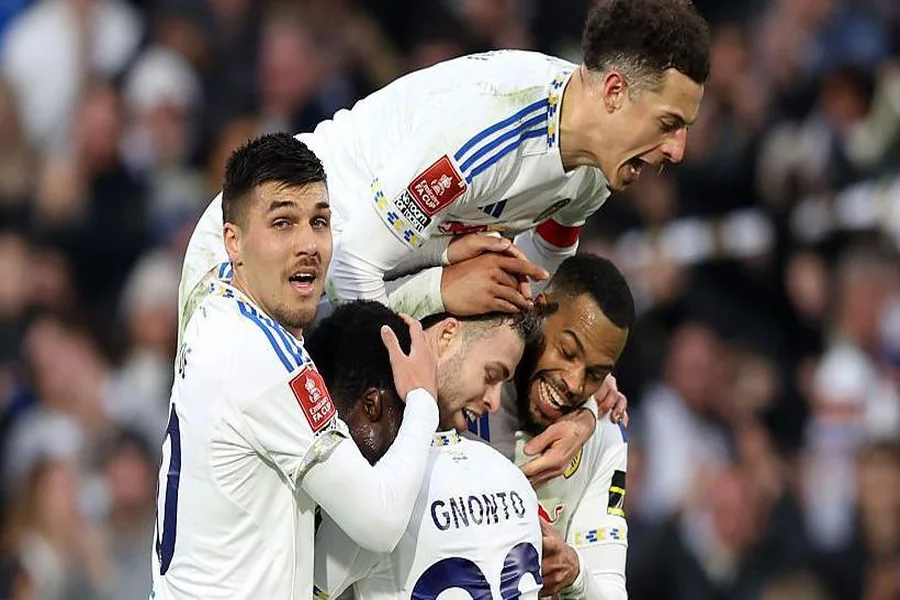
Winning is a joyful and proud moment that is celebrated by supporters, whereas defeat may cause frustration and criticism. There are often debates regarding referee decisions, performance of players and coaching decisions.
To most fans, every match plays an important role due to the emotional attachment they have to their team. That is why even the outcome of a single match may seem extremely significant, particularly in competitions or in key matches.
Final Thought
The Score Of The Football Game Last Night is not the conclusion of the story but the beginning of it. Behind all the outcomes is a mixture of tactics, efforts and moments that characterize the game. Going past the statistics, you get to know more about football and why it is so appealing.
Regardless of whether your team won, lost or drew, each match will be full of lessons and memories. And as the season progresses, every score is a part of a greater journey that makes fans go back and get more.
FAQs
What does the score of a football game represent?
The score shows how many goals each team scored during the match and determines the winner or if the game ended in a draw.
Why can a team lose despite playing better?
A team can dominate possession and chances but still lose if they fail to convert opportunities or make defensive mistakes.
How do red cards affect a football match?
A red card reduces a team to fewer players, often giving the opposing team a significant advantage and changing the game’s dynamics.
Why are late goals so important in football?
Late goals can completely change the outcome of a match and often have a strong emotional impact on players and fans.
How do tactics influence the final score?
Coaches use different strategies and formations to control the game, and these decisions can directly affect scoring opportunities and results.
What impact does a single match result have on a season?
One result can influence team morale, league standings, and momentum, especially in closely contested competitions.
