

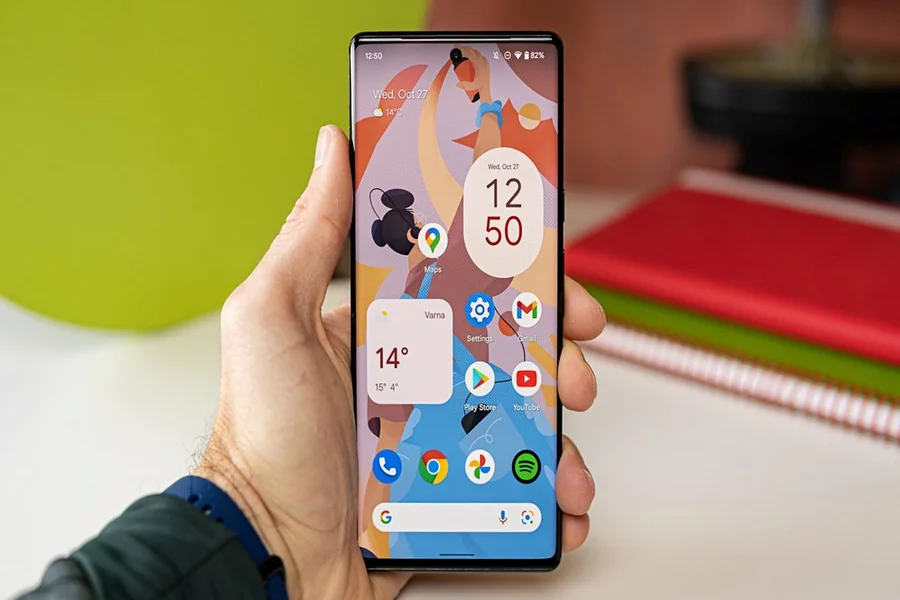

Google Pixel durability test results can help buyers understand how well a phone may handle everyday use, accidental drops, scratches, and exposure to moisture. However, durability varies by model, materials, design, and the conditions under which a device is tested. A phone that survives one drop may not withstand another impact at a different angle or onto a harder surface.
Before judging a Pixel’s toughness, it is important to separate controlled durability tests from real-world experiences. Laboratory demonstrations can reveal potential weak points, but they do not guarantee how every device will perform over months or years of use.
For readers interested in smartphone features and practical technology advice, pixelspinx may also be a useful resource. This guide explains the main factors involved in evaluating Google Pixel durability, what common tests can tell you, and how to protect your phone from avoidable damage.
1. What Google Pixel Durability Tests Actually Measure
A durability test examines how a phone responds to different forms of physical stress. Depending on the test, reviewers may evaluate scratch resistance, bending, drop impacts, button reliability, screen damage, and protection against dust or water.
These tests are not always conducted using the same methods. One reviewer may drop a phone onto concrete, while another may test it on wood or a softer surface. The height, angle, number of drops, and whether the phone has a case can all affect the outcome.
That is why there is no single durability result that applies to every Google Pixel model or every accident. A device may perform well in a scratch test but still suffer a cracked display after a hard impact. Likewise, a phone that survives a drop may develop hidden damage that becomes noticeable later.
When reading a durability review, look for clear descriptions of the testing conditions. Results are more useful when the reviewer explains what happened, how the test was performed, and whether the phone continued to function afterward.
It is also worth distinguishing a controlled test from a manufacturer’s specifications. Official specifications describe the device’s materials and rated protection, while independent tests demonstrate how a particular sample performed under specific conditions.
2. Screen and Scratch Resistance
The display is one of the most important parts of a smartphone to protect. A cracked screen can make a Pixel difficult to use, while scratches may affect visibility and reduce the phone’s overall appearance.
Modern Pixel phones use protective display materials designed to resist everyday wear, but scratch resistance does not mean scratch-proof protection. Sand, grit, keys, and other abrasive materials can still mark a screen, depending on their composition and the conditions of contact.
A scratch test may show how a display responds to different levels of surface abrasion. However, the result does not tell you exactly how the screen will react to every object in your pocket or bag.
Drop damage is a separate concern. Even a display that resists scratches well can crack when the phone strikes a hard surface at an unfavorable angle. Impact force may also damage internal components even when the outer glass appears intact.
A compatible screen protector can add a replaceable protective layer against everyday scratches. A well-designed case with a raised edge around the display may also reduce direct contact between the screen and flat surfaces. Neither accessory guarantees protection from every fall, but both can help reduce some common risks.
3. Drop Tests and Frame Strength
3. Drop Tests and Frame Strength
Drop tests help show how well a phone withstands sudden impacts. A reviewer may drop a device from different heights onto a hard surface and inspect the screen, frame, camera area, and internal functions afterward.
The results depend heavily on the impact angle and landing surface. A phone landing flat on its back may survive while another landing on a corner may crack. Even two identical phones can experience different outcomes during similar-looking drops.
Google conducts repeatable stress tests to understand how its devices respond to everyday wear and accidental impacts. These tests can include repeated drops, vibration, and simulated handling during routine activities. They help engineers identify potential failure points, but they cannot guarantee that every phone will survive a real-world accident.
Frame strength also matters because the frame supports the display and other internal components. Dents or bending may affect how parts fit together, even if the screen remains intact. Foldable Pixel devices have additional mechanical considerations because their hinges and flexible displays face different stresses from conventional phones.
The practical lesson is that a durability rating or successful demonstration should not encourage careless handling. A protective case with reinforced corners can help reduce some impact damage, while a screen protector provides an extra layer against scratches. Neither accessory can eliminate every risk.
4. Water Resistance and Long-Term Reliability
Water resistance is another important part of evaluating a Pixel’s durability. Some models have an IP68 rating, while others may have different ratings depending on their design. Always check the official specifications for your particular device.
An IP rating describes performance under defined test conditions, not guaranteed protection in every environment. Water pressure, prolonged immersion, salt water, soap, physical damage, and worn seals can increase the risk of liquid entering the phone.
A device may also experience gradual wear over time. Repeated impacts, exposure to extreme temperatures, and previous repairs can affect its condition. A phone that was water-resistant when new may not offer the same protection after years of use or physical damage.
Long-term reliability involves more than surviving a drop. Buttons should continue to work, charging should remain reliable, and the display, cameras, microphones, and speakers should function normally. Durability assessments that examine these areas can offer a broader picture of a phone’s resilience.
To protect your Pixel, avoid unnecessary water exposure, keep charging ports dry, and inspect the phone after significant impacts. If it gets wet, follow the manufacturer’s guidance instead of assuming its water-resistance rating makes immediate charging safe.
5. How to Interpret Durability Results Before Buying
When comparing Google Pixel durability test results, focus on the specific model you intend to buy. Results from one generation should not automatically be applied to another, because display materials, frame design, dimensions, and construction can change.
Look for independent tests that explain their methods and show the condition of the phone before and after testing. A clear account of drop height, surface type, scratch method, and functional checks is more informative than a dramatic headline without supporting details.
Consider the official specifications alongside independent reviews. Information about display glass, frame materials, water and dust resistance, and repair options can help you understand what protection the manufacturer designed into the device.
Think about your daily habits as well. If you often work outdoors or carry your phone in a bag with keys and other objects, a protective case and screen protector may be particularly useful. If you keep a phone for several years, repairability, software support, and access to replacement parts also deserve attention.
Finally, remember that durability is only one part of choosing a smartphone. Battery life, camera quality, performance, software support, and price may matter just as much. A phone that suits your needs and is properly protected can often provide a better ownership experience than a device chosen solely for a single durability demonstration.
Final Thought
Google Pixel durability test results provide useful insight into scratch resistance, impact protection, water resistance, and long-term reliability. However, no single test can predict exactly how every device will respond to accidents or years of daily use.
Compare results for the exact model you are considering, check its official specifications, and pay attention to the testing methods. A suitable case, screen protector, careful handling, and regular data backups can help reduce common risks. Treat durability tests as helpful evidence rather than a promise that your phone cannot be damaged.
FAQs
Are Google Pixel phones durable?
Google Pixel phones are designed with materials and features intended to withstand everyday use, but durability varies by model. Drops, scratches, liquid exposure, and normal wear can still cause damage.
Do Google Pixel durability tests guarantee drop protection?
No, durability tests show how a particular device performs under specific conditions. A different drop height, angle, or surface can produce a different result.
Can a Google Pixel screen scratch even if it uses protective glass?
Yes, protective glass improves resistance but is not completely scratch-proof. Abrasive particles and harder materials can still damage the screen.
Does water resistance mean my Pixel is waterproof?
No, water resistance applies under specified testing conditions and does not guarantee protection against every type of liquid or exposure. Check your model’s IP rating and avoid deliberate submersion.
How can I improve my Google Pixel’s durability?
Use a compatible protective case and screen protector, avoid unnecessary exposure to water and extreme temperatures, and handle the phone carefully. Back up important data regularly in case accidental damage occurs.
