

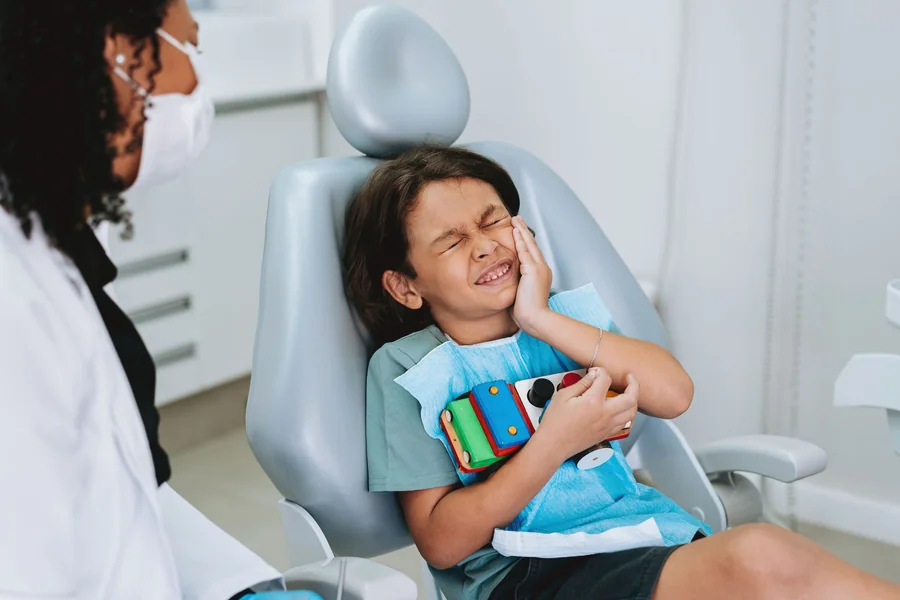

You finally got the smile you wanted, then sports season started. That is when a lot of parents and patients feel the tension. A child has braces off and fresh bonding on a front tooth. A teen just finished whitening before school photos. An adult plays in a weekend basketball league and paid for veneers they do not want chipped by one bad elbow. The worry makes sense. Cosmetic dental work looks natural, but it still needs protection when contact, falls, and fast movement become part of daily life. For patients thinking ahead about preserving results and planning for long-term tooth replacement options in Springfield, VA, that protection matters even more.
A family dentist protects cosmetic dental work during sports by planning ahead, spotting weak points before they turn into damage, and creating protection that actually fits real life. Mouthguards, bite checks, fast treatment after injuries, and regular follow ups all work together. That matters because sports related mouth injuries are common, expensive, and often preventable.
Sports injuries put cosmetic dental work at higher risk
Cosmetic work is built to function well, but sports add force that teeth were never meant to absorb. A direct hit can crack bonding, loosen veneers, chip crowns, or damage the natural tooth under the restoration. Even if the cosmetic work looks fine right after impact, the tooth can still be bruised, shifted, or stressed in ways that show up later as pain, discoloration, or sensitivity.
You may already know the pattern. A child says, “It barely hit me,” then you notice a rough edge that was not there before. A teen skips a mouthguard because it feels bulky, then takes a ball to the face at practice. An adult assumes a non contact sport is low risk, then falls off a bike or catches a stick, racket, or shoulder at the wrong angle. According to the American Academy of Pediatric Dentistry, properly fitted mouthguards help reduce sports related oral injuries, including damage to teeth and soft tissues. Their guidance on the prevention of sports related orofacial injuries supports one of the simplest ways to protect both natural teeth and cosmetic work.
The financial side stings too. Repairing a chipped veneer or fractured bonding often costs more than preventing the injury in the first place. If the tooth nerve is affected, treatment can move from a simple cosmetic fix to root canal therapy, a crown, or replacement work. That is why protecting veneers and bonding during sports starts before the season, not after the first accident.
Family and cosmetic dentist care starts with custom protection
The first way family dentists protect cosmetic work is with a custom mouthguard. Store bought guards can help in a basic sense, but they often fit poorly, slip during play, and feel so awkward that kids stop wearing them. A custom guard is shaped around the bite, which matters when someone has veneers, bonding, crowns, or other dental changes that need even pressure distribution.
That better fit does more than improve comfort. It lowers the chance that a guard will rub against cosmetic margins, create pressure points, or leave front teeth exposed during impact. For athletes with recent dental work, this is often the difference between a guard that ends up in the gym bag and one that gets worn every practice.
Regular bite checks catch small problems before a hit makes them worse
The second layer of protection is the exam itself. A family dentist looks for tiny chips, edge wear, grinding patterns, and bite imbalances that make cosmetic work easier to damage. If one front tooth takes more force than the others when you bite down, that tooth is already under stress. Add sports contact, and the risk climbs fast.
This is where a lot of people get surprised. The cosmetic work did not fail because it was poor quality. It failed because the bite was uneven, the athlete clenched during play, or an old repair had started to weaken. A dentist who provides sports dental protection can adjust small issues early, which often prevents a larger repair later.
Fast injury care protects both appearance and tooth health
The third way family dentists help is by treating sports injuries quickly. Time matters. A tooth that is chipped, loosened, pushed out of place, or knocked out needs prompt care. MedlinePlus outlines common signs of dental trauma and explains why quick treatment improves outcomes after a tooth injury. The cosmetic result depends on that speed, but so does the long term health of the tooth.
If a restoration breaks during a game, saving the piece can help. Rinsing the mouth gently, controlling bleeding, using a cold compress, and calling your dentist right away all reduce the chance of more damage. If a tooth is fully knocked out, emergency steps become even more urgent. The CDC also highlights practical first aid guidance for dental injuries in its resource on what to do for a knocked out tooth.
Seasonal follow ups keep cosmetic dentistry protected all year
The fourth way family dentists protect cosmetic work is through timing. Pre season visits prepare the mouth before risk goes up. Mid season checks catch wear from repeated use, especially in athletes who clench or grind. Post injury and post season visits make sure hidden damage did not get missed.
This approach matters for families because life gets busy. Practice, games, school, work, and travel make it easy to delay a dental check when nothing looks obviously wrong. Yet many sports injuries are not dramatic. A tooth can absorb a hit, stay in place, and still develop trouble weeks later. Ongoing care from a family and cosmetic dentist helps catch those quiet problems early.
Different protection options carry different levels of risk and value
| Option | Upfront Cost | Fit and Comfort | Protection for Cosmetic Work | Common Drawback |
| No mouthguard | None | Not applicable | Lowest | Higher chance of chipped, loosened, or lost dental work |
| Stock mouthguard | Low | Bulky, limited fit | Basic | Often slips or gets left out during play |
| Boil and bite mouthguard | Low to moderate | Better than stock, still inconsistent | Moderate | May not protect restored teeth evenly |
| Custom dental mouthguard | Moderate | Best fit, easier to wear | Highest | Requires a dental visit and replacement as teeth change |
For families balancing cost, this usually comes down to one clear point. Preventive care is more predictable than repair. One custom guard often costs less than fixing a single broken front restoration.
Three steps you can take before the next practice
Schedule a sports season dental check. If anyone in your family has veneers, bonding, crowns, whitening, or recent dental work, get the bite and restorations checked before regular play begins.
Choose a custom mouthguard when cosmetic work is involved. A better fit improves comfort and raises the odds that the athlete will actually wear it. Consistent use matters more than good intentions.
Know the injury plan before you need it. Keep your dentist’s contact information handy, save emergency instructions on your phone, and teach your child what to do if a tooth gets hit, chipped, or knocked out.
Protecting your smile during sports season is easier than repairing it later
You should not have to choose between staying active and protecting your smile. Good planning makes both possible. The right guard, regular checks, and quick care after an injury can keep cosmetic work intact and lower the chance of bigger treatment later. If your family is heading into a new season, now is the right time to book a visit with a family and cosmetic dentist.
