


You keep your pet indoors because it feels safer, and in many ways it is. There are fewer cars, fewer fights with other animals, and fewer chances to wander off. Still, a lot of owners get blindsided by one hard truth. Staying inside does not protect pets from every illness, which is why regular checkups with a veterinarian in Waco, TX still matter. Some of the most common problems build slowly, quietly, and right at home.
If your dog only steps out for quick bathroom breaks, or your cat spends life on a windowsill and the back of the couch, you are not being careless. You are doing what many loving owners do. The risk is assuming “indoor” means “low maintenance.” It often means the risks are different, not lower. Health risks for indoor pets can include weight gain, dental disease, parasites, joint trouble, stress related behavior, hidden skin issues, and heartworm exposure. A good relationship with a general veterinarian helps you catch these early, before they turn into pain, emergency bills, or lasting damage.
Indoor pets still face real medical risks
One of the biggest problems is obesity. Indoor pets usually burn fewer calories, and treats add up faster than most people realize. That heavier body does more than change appearance. It puts strain on joints, worsens arthritis, affects breathing, and raises the risk of diabetes, especially in cats. Cornell’s feline health experts outline how obesity in cats can shorten quality of life and make other diseases harder to manage.
Dental disease also hides in plain sight. Indoor pets are often close to you every day, so gradual bad breath, gum irritation, or slower chewing can start to feel normal. It is not normal. Untreated dental disease can lead to pain, infection, and even effects on the heart and kidneys. A pet can still eat while suffering, which is why this gets missed so often.
Parasites are another surprise. People hear “indoor” and assume fleas, ticks, and worms are outdoor problems. They are not. Fleas can hitch a ride on clothing or come in through another pet. Intestinal parasites can spread through contaminated soil tracked into the house, shared spaces, or contact with infected animals during brief outings. You may not see obvious signs until your pet has itching, stomach upset, or weight loss.
Heartworm disease catches many owners off guard because it sounds like something only active outdoor dogs get. Mosquitoes do not care whether your pet loves hiking or sleeps under a blanket all day. If a mosquito gets indoors, the risk is there. The FDA explains why year round heartworm prevention matters, even for pets with limited outdoor exposure. Virginia Tech’s veterinary hospital makes the same point in its guidance on heartworm prevention for pets.
Then there are the problems that look behavioral at first. A pet that rarely goes outside may have less stimulation, less exercise, and fewer ways to work off stress. That can show up as overeating, overgrooming, scratching furniture, night waking, or sudden irritability. Owners often think the pet is being difficult. In reality, boredom, anxiety, or pain may be driving the change.
Joint stiffness can creep in the same way. Less movement means weaker muscles and less flexibility. Older pets feel this first, but younger pets can as well, especially if they are overweight. You might just notice that your dog hesitates before jumping onto the couch, or your cat stops using the taller perch it once loved. Those small changes matter.
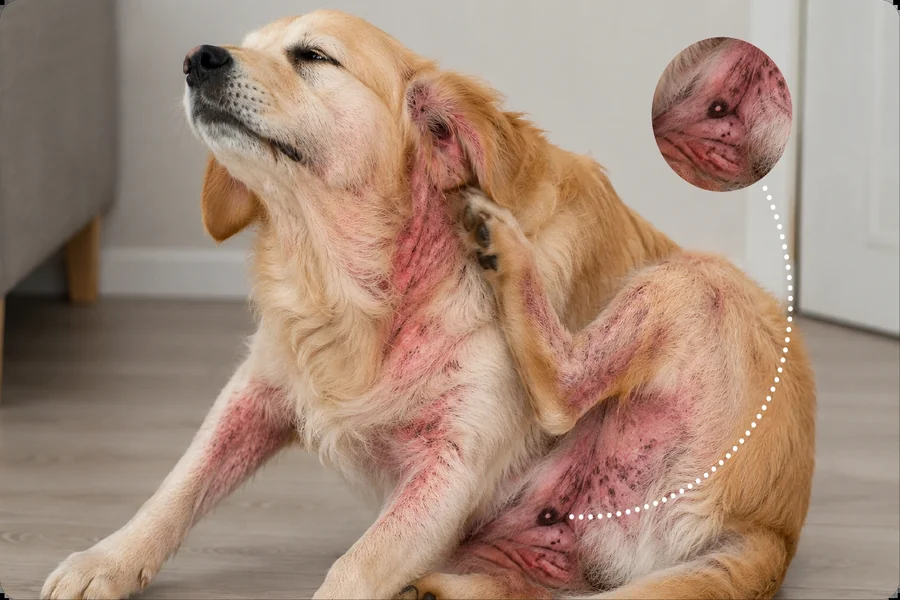
Skin and ear issues are easy to miss in pets that seem clean and sheltered. Indoor air, allergens, dry skin, trapped moisture, and low grade infections can all become chronic if nobody checks closely. A pet does not need to roll in the yard to develop a painful ear infection.
Common health issues in pets that stay inside often go unnoticed longer
The hard part is not always the illness itself. It is the delay. Indoor pets are seen constantly, but not always observed carefully. When changes happen little by little, you adjust to them. The dog sleeps more. The cat gets pickier. The breath gets worse. The belly gets rounder. By the time it feels serious, treatment is often more involved and more expensive.
This is where routine veterinary care matters. A general veterinarian is not only there for vaccines or emergencies. They help track trends you may not catch, like subtle weight gain, early dental disease, a heart murmur, skin inflammation, or pain during a joint exam. That kind of preventive care is often what keeps a manageable problem from becoming a major one.
Risk patterns for pets who spend most of their time indoors
| Health Risk | Why Indoor Pets Get It | Early Signs at Home | Why Fast Care Helps |
|---|---|---|---|
| Obesity | Less exercise, frequent treats, free feeding | Weight gain, less stamina, trouble jumping | Reduces joint strain and lowers diabetes risk |
| Dental disease | Plaque buildup over time | Bad breath, drooling, chewing on one side | Prevents pain, tooth loss, and infection |
| Heartworm | Mosquito exposure indoors or during brief outings | Often none early on | Prevention is easier and safer than treatment |
| Parasites | Fleas and eggs enter on people, pets, or objects | Scratching, stomach upset, visible fleas | Stops spread and avoids skin or gut damage |
| Joint problems | Low activity and excess weight | Stiffness, slower movement, reluctance to climb | Supports mobility before pain becomes severe |
| Behavior stress | Boredom, anxiety, low stimulation | Overgrooming, pacing, destructive habits | Improves quality of life and prevents escalation |
| Skin and ear disease | Allergens, moisture, poor grooming access | Scratching, odor, redness, head shaking | Prevents chronic infection and discomfort |
Simple steps can lower these risks for indoor pets
Schedule regular wellness exams. Annual visits are the minimum for many healthy adult pets, and seniors often need more frequent checks. These appointments catch trends early and give you a plan for weight, teeth, parasite prevention, and age related changes.
Track daily habits at home. Watch appetite, water intake, bathroom habits, energy level, movement, and grooming. If your pet starts avoiding stairs, sleeping more, scratching more, or acting withdrawn, write it down. Patterns help your veterinarian spot what a single visit may miss.
Build prevention into routine life. Use parasite prevention as prescribed, measure meals, limit extras, and create movement indoors with walks, puzzle feeders, climbing spaces, or play sessions. Veterinary care for indoor pets works best when home habits support it every day.
Indoor living is safer, but it is not risk free
You do not need to panic because your pet stays inside. You just need a clearer picture of what indoor life does and does not protect against. Many of these issues respond well when caught early, and most are easier to prevent than to treat after they have settled in. If you have noticed changes in weight, energy, breath, skin, or behavior, now is a good time to schedule a visit with a general veterinarian.
