


The Psychology of Touch: Why Consumers Judge Quality in Seconds
Human perception is deeply tied to sensory feedback. When shoppers walk into a high-end boutique, they subconsciously equate physical weight and softness with value. In the digital marketplace, you cannot rely on physical touch until the package arrives at the doorstep. This makes your choice of base garment the most critical ambassador for your brand reputation. Traditional promotional shirts were manufactured cheaply for one-time corporate giveaways, utilizing rough open-end cotton that twisted and degraded after minimal washing. Modern consumers expect retail perfection, meaning your products must endure frequent use while retaining their original silhouette and comfort. That is why launching a successful clothing line requires starting with superior foundations like smart blanks that deliver an immediate tactile sensation of luxury and durability. Modern e-commerce rewards brands that refuse to compromise on material quality, making fabric selection the cornerstone of any thriving fashion venture.
Achieving this level of consumer satisfaction requires understanding how fabric density affects emotional response. A tightly woven, combed cotton garment feels substantial yet breathable, signaling to the buyer that they have invested in a premium product. When you eliminate common textile flaws like pilling, uneven hems, and collar sagging, you build a foundation of trust that transforms casual first-time buyers into lifelong brand advocates. Quality is not merely a design feature; it is an active retention strategy that protects your profit margins and elevates your market positioning.
Bridging Art and Textile: Overcoming Creative Limitations
For many years, independent designers and merchandise creators faced a frustrating dilemma. Translating complex, multi-colored artwork onto fabric meant navigating the rigid constraints of traditional screen printing. Each color required a separate mesh screen and expensive setup fees, restricting creativity and making small-batch production economically unviable. Artists were forced to simplify their visions, reducing vibrant gradients and fine details into basic spot colors.
The widespread adoption of dtf transfers has completely eliminated these artistic bottlenecks. This advanced digital technology allows creators to print high-resolution imagery directly onto a specialized release film using rich pigment inks. An activated adhesive powder is then applied and cured, creating a flexible graphic that can be pressed onto virtually any fabric. Because the printing process operates digitally, you gain complete freedom over color depth, microscopic typography, and complex photographic portraits without facing financial penalties for multi-color designs.
The Microscopic Mechanics of Ink Integration
Understanding how a printed graphic bonds with a garment reveals why modern digital transfers outperform older decoration methods. When the heat press applies controlled temperature and mechanical pressure, the thermoplastic polyurethane adhesive powder melts into the interstitial spaces of the yarn. Rather than sitting as a rigid plastic sheet on top of the fabric, the adhesive creates a robust mechanical anchor that integrates with the textile fibers.
This molecular-level integration gives the graphic exceptional elasticity. As the wearer moves, the print stretches and flexes naturally alongside the garment without cracking or fracturing. Furthermore, because modern digital films allow white ink to be laid down precisely underneath color layers, your designs remain intensely opaque and vibrant on dark garments, ensuring your creative vision translates flawlessly from the digital screen to the physical fabric.
Designing a Signature Collection That Commands Retail Pricing
To build a clothing brand that commands high retail pricing, every element of your product line must exude intentionality. From the color palettes you choose to the packaging experience you provide, consistency is vital. When scaling your merchandise catalog, partnering with a reliable supplier like Custom Premium Shirt ensures that your foundational apparel meets rigorous standards across every production batch.
A cohesive collection relies on establishing a distinct aesthetic identity. Whether you are building a heavyweight streetwear label or a lightweight fitness apparel line, your garments must reflect your brand philosophy. By maintaining uniformity in fabric weights and color integrity, you eliminate customer friction and encourage multi-item purchases.
Silhouette Engineering and Fit Consistency
Fit is the number one reason apparel gets returned or abandoned in a closet. Standard tubular t-shirts cut from a single tube of fabric lack structural definition and rarely flatter the human form. Modern retail standards demand side-seamed construction, which follows the natural contours of the body and prevents the garment from twisting after washing.
Additional tailoring details, such as shoulder-to-shoulder taping and double-needle stitching along the sleeves and hems, reinforce areas subject to high physical stress. When you combine these thoughtful design choices with the reliable sourcing options offered by Custom Premium Shirt, you create garments that look tailored, feel luxurious, and maintain their shape over years of active wear.
Step-by-Step Optimization for Studio Production
Running an efficient apparel customization studio requires strict adherence to professional workflows. To minimize material waste and guarantee consistent output, follow these essential operational steps:
- Digital File Preparation: Optimize your artwork at high resolution with clean vector paths to ensure crisp edge reproduction on the transfer film.
- Pre-Press Conditioning: Always pre-press your blank garments for three to five seconds to eliminate trapped ambient moisture and flatten microscopic creases.
- Temperature Calibration: Use an industrial heat press with even platen heating to guarantee uniform adhesive melting and prevent localized scorching.
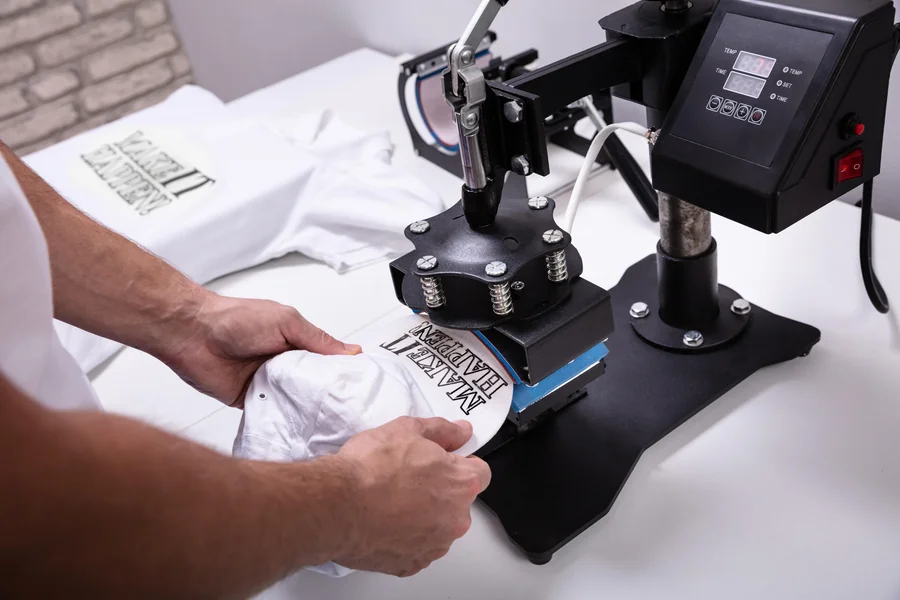
- Controlled Application: Apply firm, steady mechanical pressure during the pressing cycle to drive the thermoplastic adhesive deep into the textile fibers.
- Post-Press Finishing: Perform a brief secondary pressing using a protective matte sheet to lock the ink into the fabric and remove unwanted surface gloss.
Frequently Asked Questions
How do modern digital film transfers perform after repeated washing cycles?
When applied correctly with commercial heat presses onto quality garments, digital film transfers offer exceptional elasticity and wash durability. They withstand dozens of heavy laundry cycles without cracking, fading, or peeling, provided the wearer follows basic garment care instructions.
What distinguishes high-end retail apparel from standard promotional shirts?
High-end retail apparel features combed or ring-spun cotton for an ultra-smooth texture, side-seamed construction for a tailored fit, and structural reinforcements like shoulder taping. In contrast, promotional shirts use cheap carded cotton, lack side seams, and degrade quickly.
Why is pre-pressing essential before applying graphics to garments?
Pre-pressing removes trapped ambient moisture from the fabric fibers. If moisture remains inside the garment during heat application, it turns into steam, creating microscopic pressure pockets that weaken the adhesive bond and cause premature edge lifting.
How can clothing brands scale their inventory without risking dead stock?
Brands can eliminate dead stock by adopting an on-demand fulfillment model. By keeping a lean inventory of unprinted blank garments and pressing designs only after an online order is placed, businesses keep their capital fluid and avoid holding unsold merchandise.
Elevate your clothing brand today by combining top-tier materials and precision decoration workflows. Start building your next apparel collection with Custom Premium Shirt and deliver the exceptional quality your customers deserve.
